

When Back Pain Comes Out of Nowhere (and Nothing Seems to Help)
Jason Alston
You didn't lift anything heavy. You didn't fall. You don't remember twisting the wrong way. But suddenly your back hurts—and it hurts enough that it's interfering with just about everything you do.
When this happens, one of the first questions people ask is:
“What did I do?”
Sometimes there is an obvious answer. But when there isn't, the problem may not be as random as it seems.
Sudden Back Pain That May Not Be So Sudden
When someone tells me their back pain came out of nowhere, one of the first things I consider is whether their body may have been compensating for something long before the pain showed up.
Your body is incredibly good at adapting.
If an area isn't moving the way it should, other parts of your body can change the way they move to compensate. And you may have absolutely no idea it's happening.
That can work remarkably well—until it doesn't.
Eventually, your body may reach a point where it can no longer comfortably maintain those compensations. Then something seemingly insignificant can become the final trigger.
Maybe you reached for something. Slept in an unusual position. Bent over to put on your shoes. Walked farther than normal. Or simply got out of bed one morning.
It can feel like that little event caused the problem, when in reality it may have simply exposed something that had been building for quite a while.
Why Doesn't Anything Seem to Help?
This can also explain why some episodes of back pain can be so stubborn.
You rest. You stretch. You take a hot shower. You use a foam roller. Maybe somebody massages the area.
And nothing seems to make much difference.
If your body has been compensating around restricted movement for months or years, simply stretching the area that hurts may not address what's actually contributing to the problem.
Your muscles may also tighten and guard when your body feels threatened or unstable. When you're hurting badly, your entire body can begin moving differently in an attempt to protect the painful area.
That's why I don't like looking at back pain as simply “something is wrong with my back.”
The better question is:
What's happening throughout your body that may be causing your back to work this hard?
What Can You Do at Home?
When your back is really hurting, the goal isn't to force your way through a bunch of aggressive stretches or exercises.
Start gently and get your body moving to whatever degree it will comfortably tolerate.
Here are a few things you can try:
Cat-Cow
Start on your hands and knees. Slowly alternate between rounding your back toward the ceiling and gently allowing your spine to move in the opposite direction.
Don't force either position. The goal is simply to introduce comfortable movement throughout your spine and pelvis.
Pelvic Tilts
Lie on your back with your knees bent and feet on the floor. Gently rock your pelvis forward and backward, allowing your lower back to flatten slightly toward the floor and then relax away from it.
Keep the movement small and comfortable.
Walking
If your body tolerates it, walking can be one of the simplest things you can do.
You don't need to walk miles. Even a comfortable 10- to 15-minute walk can get your body moving and help prevent you from becoming increasingly stiff from sitting or lying down all day.
If walking significantly aggravates your symptoms, don't force it.
Bridges—or Just Squeeze Your Glutes
If you can comfortably perform a bridge, lie on your back with your knees bent and gently lift your hips off the floor before lowering them again.
If that's too much right now, make it even simpler.
Stay in the same position and gently squeeze your glutes (your butt) without lifting your hips. You're still getting those muscles involved without asking your back to do as much.
The important thing with all of these is to listen to your body. You're trying to encourage movement, not prove how much discomfort you can tolerate.
Don't Forget About Hydration
Hydration is another simple piece that's easy to overlook.
Your muscles, fascia, joints, and other tissues all function within an environment that depends on adequate hydration. If you're already hurting and not drinking enough water, getting properly hydrated is one of the easiest things you can address.
Want to learn more about how much water your body actually needs?
Read Hydration Isn't Just About Water: Here's What Most People Miss →
The Tension Releasing Process Can Be Especially Helpful
When someone is dealing with a significant episode of back pain like this, Tension Releasing Exercises are something I strongly recommend.
When you're hurting, your body naturally wants to protect itself. Muscles tighten, movement changes, and you can end up carrying a tremendous amount of tension.
Tension Releasing Exercises give your body another way to begin letting some of that accumulated muscular tension go.
I've put together a complete guide that walks you through exactly how to do them:
Learn How to Do the Tension Releasing Process →
Self-Care Probably Isn't Enough
The things we've talked about can help, and they're absolutely worth doing. But with the type of back pain we're talking about here, self-care probably isn't going to be enough to fully address what's happening.
Since the restricted movement and compensation patterns have likely been developing for a long time, even though the pain is new, you probably won't be able to fully address the problem by yourself.
That's where getting some hands-on bodywork can be extremely valuable.
With Myopractic, we don't just work on the spot where your back hurts. We look at how your entire body is moving—starting with the pelvis and working through the spine, ribs, hips, legs, and other areas that may be contributing to the pattern.
The goal is to restore movement where it's restricted so your body doesn't have to keep working around the same limitations.
Learn more about how Myopractic works →
It Will Likely Take Some Consistency
When your body has been compensating for a long time—even if you haven't necessarily been feeling any pain—and your back finally reaches the point where it's hurting this much, it's probably going to take some consistent work to really calm things down and get you where you want to be.
That doesn't mean it has to take a long time before you start feeling better. Many people notice significant improvement in their first few sessions, although everyone's situation and response to care will be different.
The important thing is that we're not just trying to make your back hurt less for a day or two. We're working to improve the movement and compensation patterns that may have contributed to the problem in the first place.
These are typically the situations where I recommend consistent weekly sessions initially, allowing each session to build on the progress of the one before it. As things improve and you're able to go a full week feeling good, we can start spacing sessions farther apart.
Ultimately, the goal is to get you to the point where you're not thinking about your back at all. It feels comfortable, it functions well, and you're able to get back to doing the things you love without your back constantly reminding you that it's there.

Join the Life Is Motion Newsletter for practical ideas to help you better understand your body, move better, build healthier habits, and become the healthiest version of yourself.

What Is Myopractic?
Myopractic is a whole-body approach to helping restore healthy movement. Rather than focusing only on where you feel the problem, we look at how your body is moving as a whole.
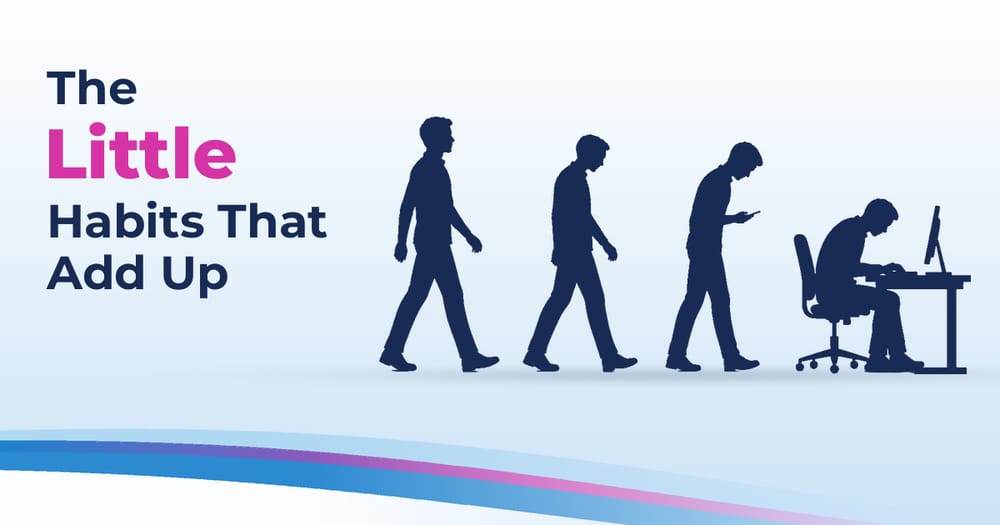
Phone posture, a bag on one shoulder, crossing the same leg. Learn how small daily habits build tension in your neck, back and hips, plus simple resets.

Waking up stiff or sore? Learn why tension tends to show up in the morning, why your muscles matter, how to tell if your bed is the problem, and simple habits that help.

Arizona's cooler months are perfect for getting back on the trail. Learn simple ways to ease into hiking season, protect your feet, knees and back, and enjoy every mile.
Ready to Schedule?
Each Myopractic session begins by getting the hips balanced and moving, followed by a whole-body evaluation and treatment. Rather than just focusing only on where you're experiencing discomfort, Myopractic care looks at how the body is moving as a whole to identify and address areas of restriction. Whether you're dealing with pain, limited mobility, or simply want your body moving and functioning at its best, you can schedule your appointment below.
Choose A Location
Arizona
Explore

Contact
Natural Motion Myopractics
Mesa: 4447 E. Broadway Rd. Ste. 108, Mesa, AZ 85206
Queen Creek: 22707 S. Ellsworth Rd. H-104, Queen Creek, AZ 85142
Phone: 480-712-2555